I Wrote a Book About Making Money with AI
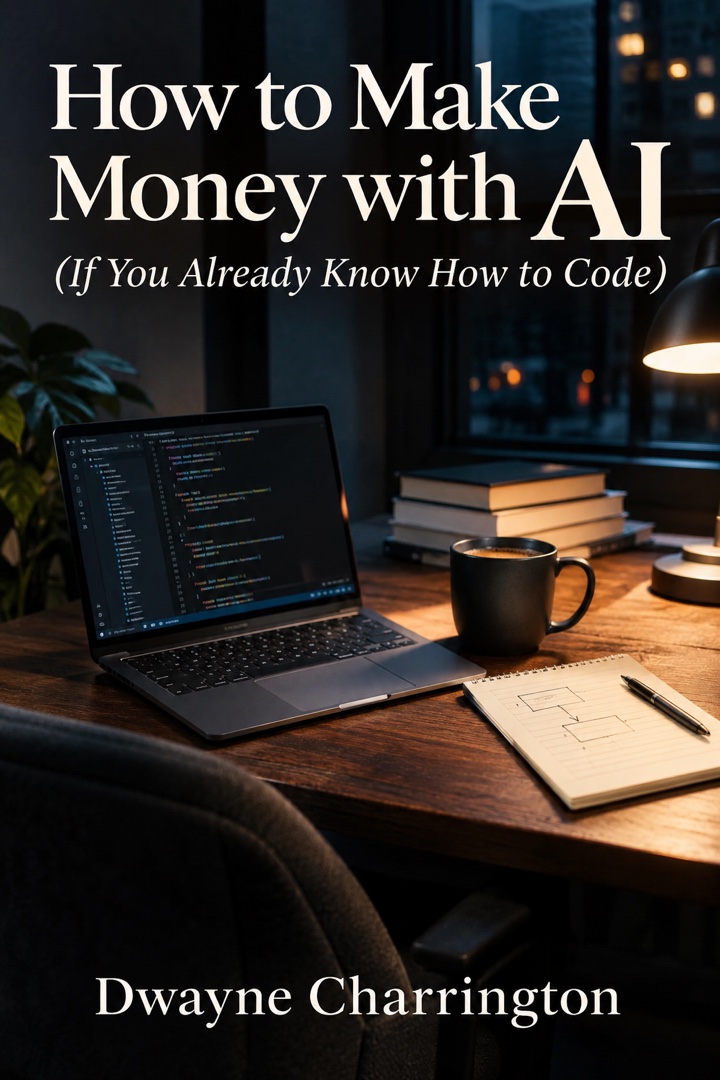
I sell a right-click menu for US$20. That’s the level of glamour you can expect from my new book, How to Make Money with AI (If You Already Know How to Code).
Right-click a table cell in the Froala rich text editor and the browser offers to translate the page into English. I’d quite like to insert a row, thanks. Froala has a setting to turn the browser menu off, at which point right-clicking does bugger all. I got sick of writing my own mouse handler for this, so I packaged it up as RangeMenu.
A developer typing Froala context menu into Google has described the whole product in three words. Most of my software sales come from search, so when I’m sizing up an idea I try to work out what somebody would type to find it. This gets awkward pretty quickly when even I can’t explain what the thing does.
Back in January I had nearly 200 repositories on GitHub, including a game where you battle people with regular expressions. Apparently I’d found time for that. Plenty of things I wanted to sell were still sitting in my notes folder when I made a New Year’s resolution to ship more software.
I’ll happily spend evening after evening getting the ocean to look right in a game I’m making. My enthusiasm drops off considerably when it’s time to write the download page. I’ve got two kids and a day job. By the time I’ve got another evening free there’s a decent chance I’ve thought of something else I’d like to make.
In August I managed to ship three products in a fortnight. RangeMenu was one. The others were a search plugin for WooCommerce and Preset Bridge, which delivers the guitar presets I sell. Each needed its own website and a way to take payments. Once I’d written down how I did a release, I could give those instructions to a coding agent and have it wire up the next one.
I still had to work out why the browser thought the cursor was somewhere other than the table cell I’d just clicked. That took me longer than anything else in RangeMenu.
The bit in brackets
One Sunday in August I found a payment field in a property client’s forecasting app that turned $125.40 into $12,540. It stripped out every character that wasn’t a digit, decimal point included. The app then faithfully put the comma in the right place on a payment a hundred times bigger than the one you’d entered.
If reading that gave you the urge to check every other money field in the app, you’re who I wrote this for.
I spend a fair bit of my contracting time rescuing apps built with AI. There’s a chapter on how to price that work, including the awkward conversation where someone wants to know what it’ll cost before you’ve seen the code. I’ll quote for getting the thing running and writing up what’s broken. Once I’ve had a proper look, I can put a price on the repairs.
I also get into the prices I’ve put on my own software. I charge US$5 once for Shortlist, the resume app I built for my wife. Its optional AI assistant uses the buyer’s own API key. If five bucks bought a lifetime of AI calls on my account, I’d have an unhealthy interest in how often my customers changed jobs.
There’s a 30-day plan near the back for anyone who’d like to have a go. In the first week I suggest finding five people with the problem you want to fix. Ask one of them to show you what they did the last time it happened. If somebody opens a spreadsheet, stick around for the tour.
The finished book is out in PDF and EPUB. I set the minimum at US$19 and the suggested price at US$29. You can get a copy on Leanpub or read the rest of what I found in that billing audit in the free PDF sample.
Comments